Today in Minot
A New Way to do the Local News!
Take Out Pizza & Beer is a Sign!
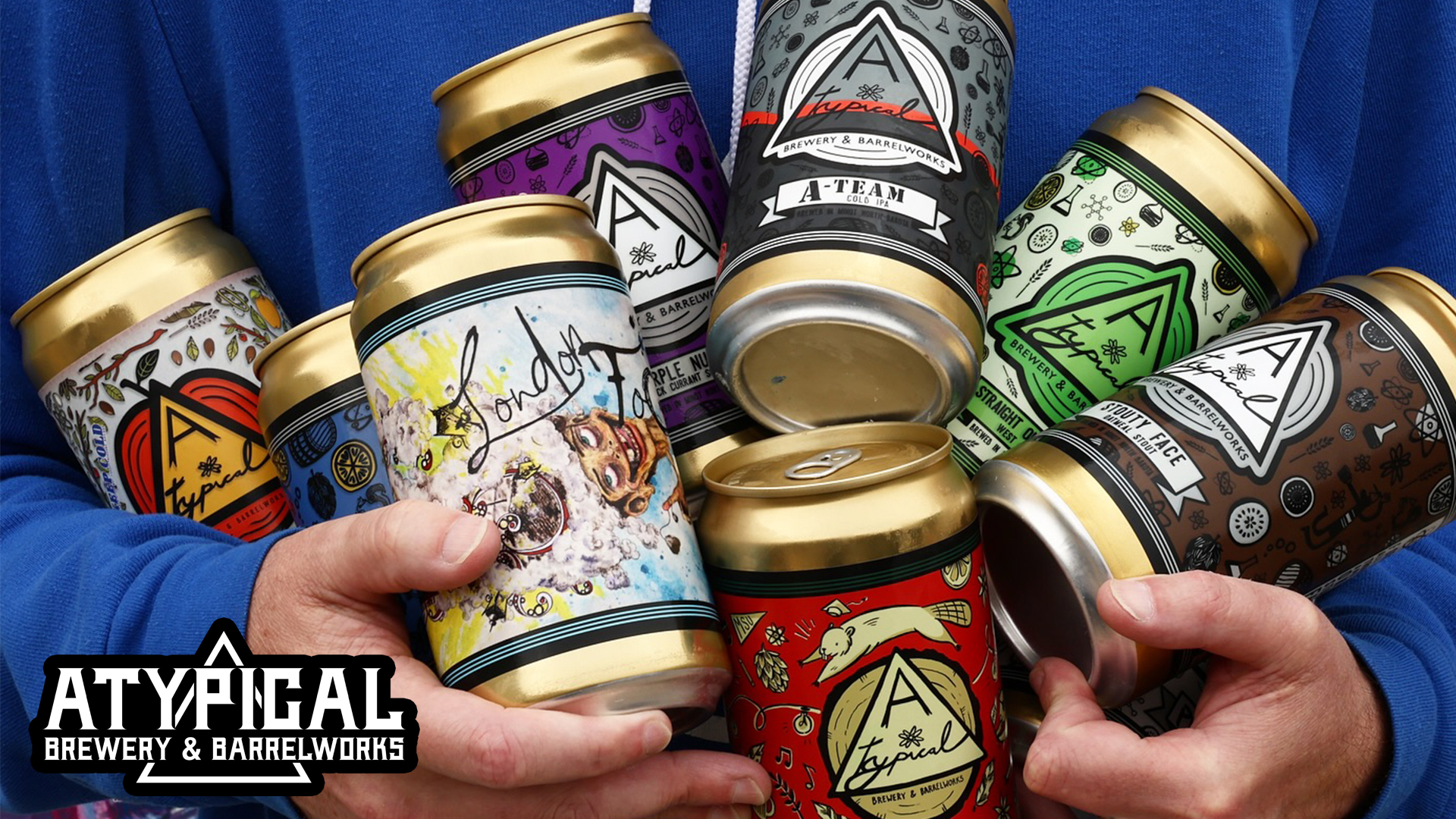
Near the Pentagon, increased activity in the area pizza shops is a sign that something’s up. That’s story is in today’s edition. In Minot, increased activity near Atypcial Brewery is a sign of a savvy shopper who values both quality and price.
Today in Minot
Today is Tuesday, June 17th. The sun will rise on the 90th day of spring, and the 168th day of the year at 5:43 AM. We will see 16 hours 5 minutes of daylight before it sets at 9:48 PM.
Today is: National Apple Strudel Day, National Eat Your Vegetables Day, National Mascot Day, National Root Beer Day, National Cherry Tart Day
Today’s Featured Happenings
Specials & Sales
Take Out Tuesday!
Jun. 17th
@Atypical | Stop in & Warm Up With a Great Local Beer!

Live Music!
– WILD HORSES –
Jun. 19th
@Atypical | Stop in & Warm Up With a Great Local Beer!


 The news we share here is ForMinot. You can learn more about what guides our editorial decisions here.
The North Dakota Republican Party just elected a political newcomer as its new chair, and the razor-thin vote tells a bigger story about where the GOP is headed. Matthew Simon, who many party insiders met for the first time at Saturday’s meeting, edged out longtime party veteran Shane Goettle in a dramatic five-round election that ended 24-22. The near-tie reflects a deepening split between the party’s establishment wing and its rising populist faction, with tensions so high that some lawmakers described feeling “bullied” during heated debates about everything from property taxes to library content bills. Michael Achterling with North Dakota Monitor has the full story.
Minot’s schools were built with growth in mind—but this year, the numbers slipped the other way. Enrollment is down by 137 students, a modest decline spread thin across the city’s 18 schools. There’s no clear pattern or cause, but Superintendent Scott Faul points to a lack of new housing as a likely factor. While the dip hasn’t disrupted staffing or programs, it does affect funding. As the district plans for the future, families new to town are being urged to enroll early for the fall. Megan Topping with KX News has the full story.

The North Dakota Republican Party just censured their own wildly popular governor—twice—while giving a free pass to lawmakers who’ve made anti-Semitic posts and hurled homophobic slurs at police officers. Let that sink in for a moment. Gov. Kelly Armstrong, who earned nearly 70% of the vote and outpolled Donald Trump himself, got formally reprimanded for backing property tax reform and vetoing a book ban bill. Meanwhile, the party’s new leadership sees no problem with truly offensive behavior from other Republicans. It’s a perfect snapshot of a party faction so out of touch with actual voters that they’re now at war with their own most successful politicians. Rob Port with InForum has the full story.

What might seem like harmless fun can take a dangerous turn—especially when fear and tension are already in the air. Fargo police are warning teens and parents after reports of late-night pranks, like doorbell ditching, surfaced online. With recent shootings at lawmakers’ homes still fresh in the public’s mind, even a joke can spark real consequences. Officers say trespassing and disorderly conduct charges are on the table—and so is the risk of serious harm. Their message is simple: don’t let a viral trend lead to regret. Ryan McNamara with InForum has the full story.
Everything’s bigger in Texas, including the housing affordability crisis. Now the Lone Star State is trying something surprisingly modest to fix it: letting people build smaller homes. Senate Bill 15 would require cities to allow residential lots as small as 3,000 square feet and cap parking requirements at just one space per home. That might not sound revolutionary, but in a state where 7,000-square-foot lots and mandatory garages are the norm, it’s actually a quiet revolution. After decades of zoning codes that made starter homes nearly impossible to build legally, Texas lawmakers are finally asking whether bigger really needs to be better when it comes to where people live. Get the update on all the little changes Texas is making to bring down housing prices from Strong Towns.
As North Dakota prepares to implement its new cellphone ban in schools, Manitoba is wrapping up year one of a similar experiment—and the early reviews are in. In the Turtle Mountain School Division, students and teachers alike say the change is working. Fewer distractions. More engagement. Some teens even admit they hadn’t realized just how much their phones pulled them away from learning. As the Class of 2025 prepares to cross the stage, educators are celebrating not just diplomas, but a renewed focus in the classroom. Betty Sawatzky with Discover Westman has the full story.

Every Friday, a social media researcher watches her own son get lost in formulaic YouTube videos on his grandmother’s tablet, and she can’t help but wonder: are these the digital equivalent of junk food? The irony isn’t lost on her—she studies these platforms for a living, yet still grapples with the same questions plaguing parents everywhere. The truth is, social media companies offer almost zero transparency about how their systems work, and that invisibility creates real risks for kids. But here’s what this researcher has learned: understanding how these platforms actually operate, and talking openly with your children about it, might be your most powerful tool for keeping them safe online.RetryClaude can make mistakes. Please double-check responses. Read the rest of researcher Lauren Edelson’s thoughts on Scientific American.

In the shadow of official statements and classified briefings, sometimes the quiet signals speak loudest. A surge in late-night pizza orders near the Pentagon—spotted by open-source sleuths—coincided with a major military escalation overseas. It’s not a formal alert system, but the “Pentagon Pizza Index” has a curious track record. From Cold War surveillance to modern-day Google Maps spikes, it’s a reminder that in the age of information, the first signs of global crisis may not come through a press release, but through a delivery receipt. Eve Upton-Clark with Fast Company has the full story.




North Dakota State football isn’t just a program—it’s a dynasty, and ESPN is taking notice. As part of its SportsCenter: 50 States in 50 Days tour, the network will broadcast live from Fargo on August 11, highlighting the Bison’s powerhouse run, including their 10th FCS national title under first-year head coach Tim Polasek. With a decade of dominance behind them, the Bison represent more than just winning—they’ve built a culture of excellence that continues to define college football in the heart of North Dakota. Eric Peterson with InForum has the full story.
In Fairbanks, Alaska—where summer highs usually hover in the low 70s—the forecast now comes with a first: an official heat advisory. Temperatures near 90 degrees may not rattle the Lower 48, but in a region built to trap warmth, not shed it, the stakes are different. Homes lack A/C. Heat lingers for nearly 22 hours of daylight. And the systems meant to warn or respond—weather offices, firefighting crews—are stretched thin. It’s more than a hot spell. It’s a climate warning wrapped in red tape. Lois Parshley with Grist has the full story.

The American prairie was so vast, so alien, it shattered comprehension.
Newcomers to the seemingly endless grasslands that once spanned approximately a quarter of North America often hit a psychic wall, descending into fits of mania. Prairie madness, as the phenomenon came to be known, was recorded by the journalist E.V. Smalley in 1893 after a decade of observing life on the frontier: “An alarming amount of insanity occurs in the new Prairie States among farmers and their wives.”
America’s treeless, isolated expanse put early European settlers to the test. Drought, loneliness, and debt drove many to failure, forcing the homesteaders to retreat East.
But those who stayed unwittingly launched one of history’s largest terraforming projects, rewiring the land, the climate, and the future of the continent.
In Sea of Grass: The Conquest, Ruin, and Redemption of Nature on the American Prairie, longtime Minnesota journalists Dave Hage and Josephine Marcotty trace this staggering transformation.“The Europeans who colonized North America in the nineteenth century transformed the continent’s hydrology as thoroughly as the glaciers,” they write. “But, remarkably, they did it in less than one hundred years instead of tens of thousands.”
In putting hundreds of millions of acres of prairie to the plow, settlers not only forcibly displaced Indigenous nations, but completely altered the region’s ancient carbon and nitrogen cycles. They also turned the region into an agricultural powerhouse. The deep black soil once prevalent in the Midwest — the result of thousands of years of animal and plant decomposition depositing untold carbon stores into the ground — became the foundation of the modern food system. But the undoing of the American prairie also dismantled one of the Earth’s most effective climate defenses.
Grasses, like all plant life, inhale planet-warming carbon dioxide. As a result, “earth’s soils now contain one-third of the planet’s terrestrial carbon — more than the total released by human activity since the start of the Industrial Revolution,” Hage and Marcotty write. A 2020 Nature study found that restoring just 15 percent of the world’s plowed grasslands could absorb nearly a third of the carbon dioxide humans added to the atmosphere since the 1800s.
Today, the tallgrass prairie, which covered most of Illinois, Iowa, Minnesota, and the far eastern edge of the plains states, clings to about 1 percent of its former range. Even the hardier shortgrass prairie of the American West has been reduced by more than half.
“This is the paradox of the prairie,” the authors write. “Feared by pioneers, shunned by tourists, dismissed today as a wasteland best viewed from thirty thousand feet, the North American prairie is nonetheless one of the richest ecosystems on Earth.”
Americans, then as now, have struggled to make sense of the prairie. Hage and Martcotty spoke to Grist about the near collapse of the American prairie, and what its return would mean in an era of a rapidly warming climate.
The prairie has been misunderstood at our own peril. Why is that and how do you make people care about grass?
Josephine Marcotty: When European settlers first arrived, they were terrified by the open spaces and by the crazy weather that they encountered on the prairie. Wide open grasslands were not something they had ever experienced in Europe, which had been much more controlled by humans for a longer period of time.
David Hage: The areas were so remote and a lot of these immigrants had come from sweet little villages in Norway or Sweden or Germany. Here, they landed, and they might not have a neighbor within 10 or 15 miles. People really suffered from terrible loneliness and even mental illness from the isolation.
JM: But by the time Americans realized that the prairie was something to preserve, the tallgrass prairie was almost all gone. It had been plowed and turned into farmland. So the tallgrass prairie is almost something that we’ve never experienced. We don’t know what it is.
DH: We can talk about wildlife, we can talk about water, l but the thing that knocked me out is climate change. The world’s grasslands are one of the planet’s greatest buffers against climate change. When we plow open the grasslands, as we’re doing now, a million acres a year out West, you’re releasing huge amounts of carbon, you’re making climate change worse, and you’re taking out all those acres of grass that could sequester carbon in the future. One researcher we talked to, Tyler Lark, at the University of Wisconsin, said that the recent pace of plowing in the western grasslands is the climate change equivalent of adding 11 million cars to the roads every year. So it’s a climate change disaster.
Early settlers didn’t just plow the prairie. They also forcibly displace Native peoples to do it. How do you see large-scale prairie restoration as a means of reparations?
DM: We write about the bison herds out West on Native American reservations. There are now 25 or 30 of these wonderful tribal bison herds. This operation to rescue Yellowstone bison and distribute them to Native peoples has launched these tribal bison herds all the way from Alaska down to Texas. And it’s a triple win: It saves this endangered, magnificent animal; it’s good for the grasslands, because where bison graze, grass flourishes; and it’s a wonderful way of preserving the threatened cultural heritage of the Plains tribes in South Dakota. There’s also a great outfit called the Buffalo Grasslands Coalition, which is a tribal operation to raise money and restore grasslands and native ecosystems on tribe-managed land.
JM: A lot of the tribes have both a sacred herd that they use for their cultural and the religious ceremonies, and they also have livestock herds that they use to turn into meat that they sell, not only to their tribal members, but to others. It’s having that economic independence that grants a stronger sense of sovereignty. You can’t do it without economics.
The majority of the prairie is gone. Given its value, why does its destruction continue? Is it policy or profit or something else?
JM: Because corn pays more than cattle or bison.
DH: We came across an amazing statistic, that of all the major landscapes in America, grasslands were the last one to get their own national park. It didn’t happen until 30 or 40 years ago, and one of the reasons was to protect that grass, they would be competing with farmers and people who wanted to earn a living on that land.
JM: The EPA just raised the ethanol fuel mandate. In other words, they’re creating an even greater market for corn. And it was ethanol that really drove corn prices up, and they’ve been up ever since we started mandating the use of ethanol in fuel. That’s just going to continue as long as we don’t subsidize other kinds of farmers that actually grow food for us. Otherwise, grassland will never be able to compete.
The book makes the case that federal subsidies for ethanol have been disastrous for grasslands. Is it possible to dismantle a system that is both ecologically catastrophic and economically entrenched?
DH: It is a huge source of revenue for farmers in the Upper Midwest. We ran into a lot of farmers who said, “I wouldn’t be able to sell my corn crop if it weren’t for ethanol,” or “I didn’t make any money until ethanol came along.” So it’s very hard for politicians campaigning in the Midwest to stand up against ethanol. But it would only take very modest changes to the federal farm bill: Just wind down the ethanol mandate a bit, add a little more money to these proven federal conservation programs which reward farmers for conservation practices on working land.
JM: The economics are a false economy. It’s all driven by federal policy and not markets.
DH: We met wonderful people in the course of reporting this book, generous, hard working people, but they’re trapped in a system that’s not of their own making. We have this federal set of subsidies that just pushes farmers in the direction of plowing more land, planting more corn, using more chemicals, and they don’t have a lot of choice if they want to save the family farm and stay in business.
The book has an alternative vision for agriculture — one that saves soil and may even provide a lifeline for the prairie. What does that look like and where is it happening?
JM: It’s going to be different wherever you farm. It’s a lot easier to grow cover crops in southern Iowa than it is in North Dakota, simply because of the difference in the weather. A big piece here would be for farmers to plant more diverse crops. Nature does not like simplicity. Nature likes complexity, and if we had a more complex farm system, it would be better for everyone.
DH: There’s really good research coming out of Iowa State University and the University of Minnesota, which shows that when you have a slightly more diverse crop rotation, you have less flooding, less erosion, healthier soil, less diesel fuel and less fossil fuel-based fertilizers.
This story was originally published by Grist with the headline How America’s prairie was nearly destroyed — and why it should be restored on Jun 17, 2025.
Minot’s search for a new police chief has ended in a rare outcome: two finalists are stepping into leadership roles. By unanimous vote, the city council named Michael Frye—currently chief at Bismarck State College and a veteran of the Minneapolis Police Department—as Minot’s next police chief. But they also created a new deputy chief role for acting chief Dale Plessas, whose steady leadership during a turbulent year earned strong support. With both men bringing distinct strengths, city leaders hope the new pairing signals a fresh chapter for the department—and the community it serves. Jill Schramm with Minot Daily News has the full story that includes comments from multiple council members.

Share It!
On This Day
On this day in 1885, France gave us a lesson on the value of art in placemaking. In 1944, Scandinavia got an official addition, and in 1972 political skullduggery came with a high price. In Minot, the “drunkometer” was a hard sell in court, softball was proving sports tourism, and adults were writing about kids and their new luxuries.
On this day in 1885, the majestic Statue of Liberty, a gift from the people of France, arrived in New York Harbor in 350 individual pieces, ready to be assembled and to stand as an enduring emblem of freedom, hope, and friendship between nations.
On this day in 1944, Iceland declared its independence from Denmark and became a republic, marking a significant moment in the country’s history and national identity.
On this day in 1972, five men were arrested for breaking into the Democratic National Committee headquarters at the Watergate complex in Washington, D.C. The event led to the Watergate scandal, which ultimately resulted in the resignation of President Richard Nixon.
Born and Died: Barry Manilow, (Born, 1943) American singer-songwriter known for hits like “Mandy,” Kate Smith, (Died, 1986) American singer known for her rendition of “God Bless America,” Kendrick Lamar, (Born, 1987) American rapper and songwriter known for his critically acclaimed albums, Cyd Charisse, (Died, 2008) American actress and dancer known for her roles in Hollywood musicals, Venus Williams, (Born, 1980) American professional tennis player and multiple Grand Slam champion, Jodie Whittaker, (Born, 1982) British actress known for her role as the Thirteenth Doctor in “Doctor Who,” Igor Stravinsky, (Born, 1882) Russian composer known for his work “The Firebird,” Newt Gingrich, (Born, 1943) American politician and author who served as the 50th Speaker of the United States House of Representatives.


In these days of easy money, the kids can slake their burning throats with fudgcicles, popsicles, etc. etc. The change is all to the good, we don't regret the passing of the old order; just thought we'd set up an alibi if any modern youngsters think we're crazy when they see us on a curb chipping away on a piece of ice fallen from the auto of someone headed for a lake cottage.
Why we published it: If ice dumped on the street was treasure, and we do not doubt the tale, the times before these were harder than we had yet imagined.

About 1,000 people crowded Lincoln Park in Minot Sunday for the Seventh Annual Magic City Softball tourney, sponsored by Minot recreation commission, MRC Director, R.E. Hammond announces.
Why we published it: it's an early example of sports tourism having a noticeable impact on Minot! And it's an impact that continues in our own time.
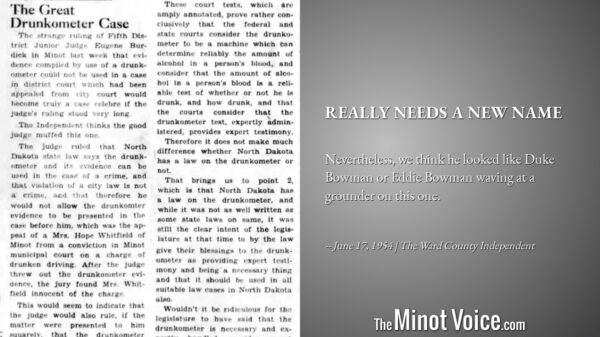
Nevertheless, we think he looked like Duke Bowman or Eddie Bowman waving at a grounder on this one.
Why we published it: It's an early case establishing the boundaries by which what we now call a breathalyzer can be used in court. And it's an entertaining read. All we can say is it's a good thing we changed the name, "drunkometer" creates a contest where the nature of alcohol creates more than enough juvenile incentive.
On America’s Foundation
“Give me your tired, your poor,
Your huddled masses yearning to breathe free,
The wretched refuse of your teeming shore.
Send these, the homeless, tempest-tost to me,
I lift my lamp beside the golden door!”
— Emma Lazarus, The New Colossus (1883)
Get in Touch!
Submit a letter, learn about advertising, share a correction, or just say hello… we’d love to hear from you!
Upcoming Fun
Fun coming up that’s worth knowing about. Scroll for more at SavorMinot.com.
- Mythtickle
@BlueRider | Friday, June 20th - Poppa’s Place Food Truck
@Atypical | Wednesday, June 25th - Disney’s High School Musical JR.
@MSUSummerTheatre | Thursday, July 17th — Saturday, July 19th
Today’s Markets
These are the commodities that move Minot’s economy. See how they’re doing here.
Today’s Happenings
Specials & Sales
Take Out Tuesday! @Atypical
Tuesday, June 17th
Celebrate Take Out Tuesday on June 17th at Atypical Brewery & Barrelworks in downtown Minot with $1 off cans and bottles, and score a reusable 3-pack holder for even more discounts. Don’t miss out on this chance to enjoy award-winning barrel-aged beer while supporting sustainability. #LocalBrewery #TakeOutTuesday #SavorMinot
Monthly Features
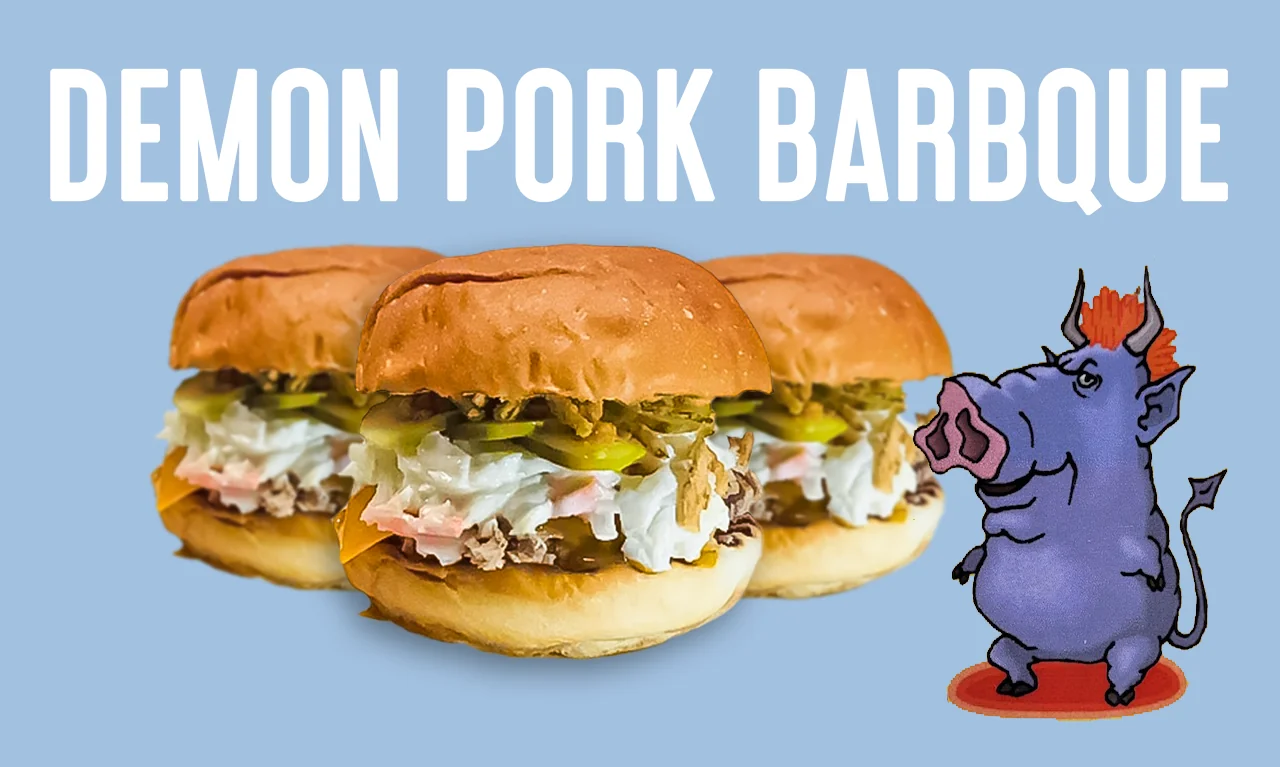
Demon Pork BBQ (June Hoagie of the Month) @MagicCityHoagies
Monday, June 2nd — Monday, June 30th
Indulge in the flavors of summer with Magic City Hoagies’ June Hoagie of the Month, the Demon Pork BBQ, featuring Carolina Chaos Mustard BBQ Sauce and a medley of savory toppings. Available in downtown Minot from June 2nd to June 30th, don’t miss this mouthwatering creation! #BBQLovers #MinotEats #SavorMinot

Kids & Families
Ice Cream Social & Milkshake Bar @MagicCitySweets
Monday, June 2nd — Sunday, August 31st
Dive into summer fun at Magic City Sweets Ice Cream Shop’s Ice Cream Social & Milkshake Bar, where families can enjoy custom ice cream creations and free retro arcade games in downtown Minot. Rated as the chillest spot, it’s the perfect hangout for kids and families until August 31st! #IceCreamFun #FamilyHangout #SavorMinot

Social & Networking
Book Club @Atypical
Tuesday, June 17th
Dive into engaging book discussions with fellow enthusiasts at Atypical Brewery & Barrelworks on Tuesday, June 17th, while enjoying your favorite barrel-aged beer. Don’t miss this unique blend of literature and craft brews in downtown Minot! #BookClub #CraftBeer #SavorMinot

Taste & Experience
Hamm’s & Grilled Cheese (w/Tomato Bisque Reduction): 6$ @BlueRider
Tuesday, June 17th
Indulge in a nostalgic combo of Hamm’s beer and a perfectly crafted grilled cheese with tomato bisque reduction for just $6 every Tuesday at Blue Rider in downtown Minot. Don’t miss this delicious deal at your favorite dive bar! #GrilledCheeseLovers #MinotEats #SavorMinot

Specials & Sales
Custom Framing Sale On Diplomas And Graduation Photos @Artmain
Wednesday, May 14th — Monday, June 30th
Celebrate your achievements with Artmain’s custom framing sale on diplomas and graduation photos, happening now through June 30 in downtown Minot. Don’t miss this chance to showcase your success in style! #FrameYourSuccess #DowntownMinot #SavorMinot
Happy Hour
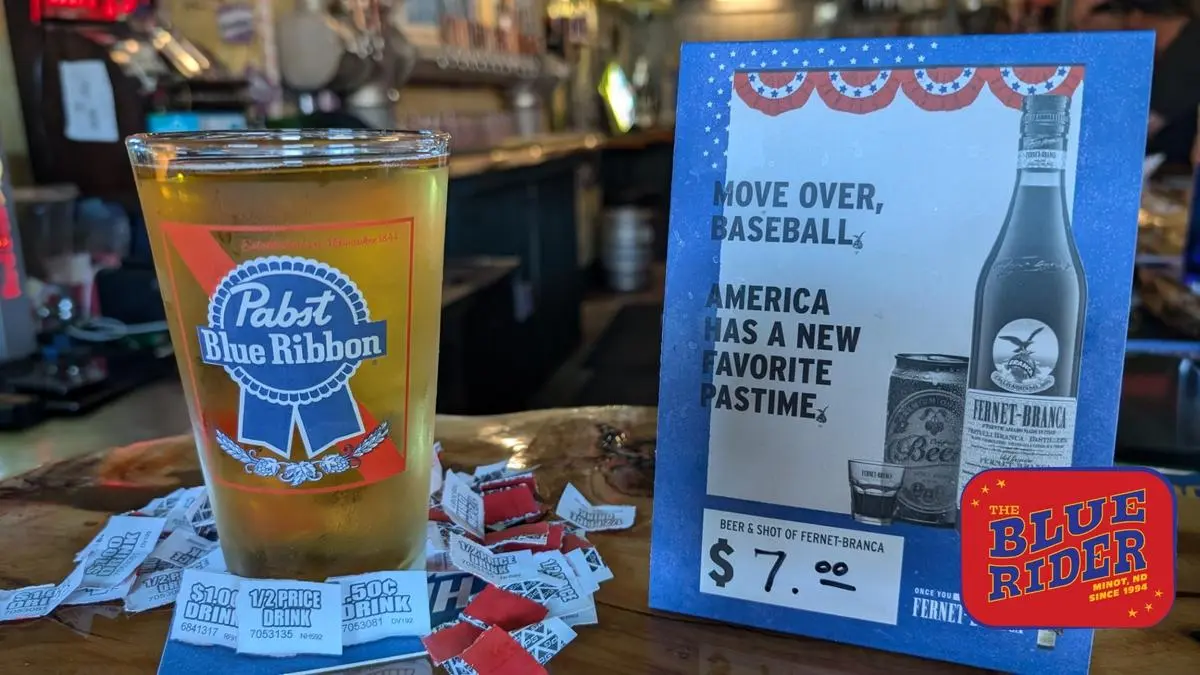
Pull Tab Happy Hour! @BlueRider
Monday, June 16th — Wednesday, June 18th
Get ready for Pull Tab Happy Hour at Blue Rider in downtown Minot from June 16th to 18th! Enjoy stiff drinks, free popcorn, and a chance to win discounts or free drinks—plus, don’t miss the $7 beer and Fernet special. #DiveBarFun #HappyHourDeals #SavorMinot
Let’s Celebrate!
Hot Tots After Party! @BlueRider
Tuesday, June 17th
Join the ultimate celebration at Blue Rider for the Hot Tots After Party! Enjoy fiery Hot Tot Shots, ice-cold beers, and dive bar vibes right after every home game in downtown Minot. #HotTotsAfterParty #BlueRider #SavorMinot

Hot, New, Fresh
On Tap Right Now! @Atypical
Tuesday, June 17th — Sunday, June 22nd
Discover what’s brewing at Atypical Brewery & Barrelworks in downtown Minot from June 17th to 22nd, featuring barrel-aged beers, live music, and food trucks. Don’t miss out on this World Beer Cup-winning experience! #CraftBeer #LiveMusic #SavorMinot